Why Is My Butt Darker Than the Rest of My Body? (And How to Even It Out)
★ TL;DR
Post-inflammatory hyperpigmentation (PIH) from friction, sitting, ingrowns, or picking. Treatment: stop creating new PIH first, gentle exfoliation 2-3x weekly (Becky), pick ONE tone-fading active (niacinamide 10%, vit C, alpha arbutin, tranexamic acid, or azelaic acid) daily for 8-16 weeks. Avoid hydroquinone. Patience > intensity.
If you've ever been confused or self-conscious about the skin between your hips being a different shade than the rest of you, you're in extremely good company. This is one of the most common, least-discussed body skin concerns. Here's what's happening and what to do.
The short answer: it's almost always post-inflammatory hyperpigmentation
Post-inflammatory hyperpigmentation (PIH) is the medical term for dark patches that develop after the skin has been inflamed or injured. It's how your skin remembers irritation — melanocytes produce extra melanin as a protective response. Once the inflammation is gone, the pigment can stick around for weeks, months, or longer.
PIH on the butt comes from:
- Friction from clothing, sitting, athletic gear (years of yoga pants quietly do this)
- Ingrown hairs that healed but left a dark mark
- Folliculitis or buttne that's no longer active but left pigment behind
- Picking at any bump or ingrown
- Eczema or skin barrier irritation
- Years of sitting in synthetic underwear in the same crease lines
It's far more common in deeper skin tones (Fitzpatrick III–VI) because melanocytes are more reactive. That doesn't mean lighter skin is immune — just that the contrast is often less visible.
What it's NOT
- It's not poor hygiene. You can shower 3x a day and still have PIH.
- It's not a skin disease. Melanin is doing exactly what it's designed to do.
- It's not permanent. Even years-old PIH can fade with the right routine.
- It's not unusual. The majority of adults have some uneven body skin tone.
The treatment: gentle + consistent + patient
PIH is fadeable but on a long timeline. Expect 8–16 weeks minimum, often longer. Aggressive treatments often worsen PIH (especially in deeper skin tones) because more inflammation = more pigment. Gentle is the rule.
Step 1: Stop creating new PIH
Before treating, stop adding to the problem. That means:
- Clear any active buttne or ingrowns (see our buttne guide)
- Reduce friction — cotton underwear, less time in tight leggings
- Stop picking, even at tiny bumps
- Don't sit in sweaty workout clothes
Step 2: Exfoliate gently (2–3x weekly)
Pigmented cells live in the top layers of skin. Regular gentle exfoliation accelerates their turnover. Becky's Booty Scrub is built around this: walnut shell for the physical exfoliation, plus rosehip seed oil — which contains vitamin A precursors (trans-retinoic acid) that are one of the most evidence-backed natural ingredients for fading PIH.
Don't over-exfoliate. More is not better with PIH — more is usually worse.
Step 3: Add a tone-fading active
Pick ONE of these, used daily for 8–16 weeks:
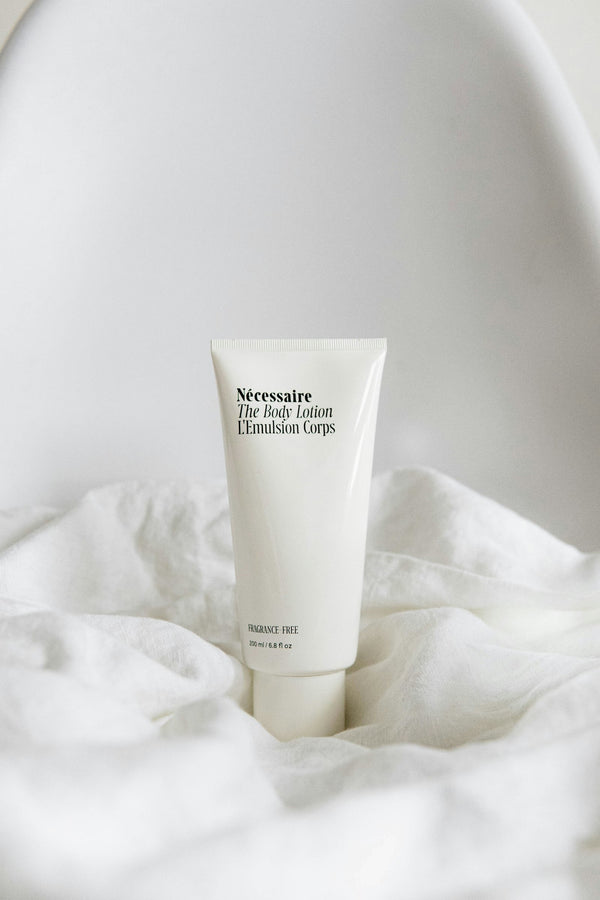
- 10% niacinamide body lotion — the gentlest option. Niacinamide reduces melanin transfer to skin cells. Good for sensitive skin and deeper tones.
- Vitamin C body serum (10–20%) — antioxidant, evens tone, works well as a daytime layer.
- Alpha arbutin 2% — a melanin-inhibitor, gentle, no irritation. Great in deeper skin tones.
- Tranexamic acid 5% — newer, very effective for stubborn PIH. The Inkey List and Naturium make affordable versions.
- Azelaic acid 10% — prescription-strength version is 20%. Anti-inflammatory + tone-evening. Especially good if your PIH coexists with active acne.
Avoid hydroquinone for body use without a derm's guidance — it can cause ochronosis (paradoxical darkening) with overuse.
Step 4: Sunscreen the exposed areas
If any of the affected area sees sunlight (low-back tan lines, swimsuit areas), apply SPF 30+. UV exposure makes PIH darker and longer-lasting.
What about "butt brightening" products?
Many products marketed as "booty brightening" are just niacinamide or kojic acid lotions in colored packaging. Look at the ingredient list, not the marketing. The actual evidence-backed actives are: niacinamide, vitamin C, alpha arbutin, tranexamic acid, azelaic acid, retinoids (prescription), and patience.
Be skeptical of: high concentrations of glycolic/lactic acid in butt-specific products if you have deeper skin tones — they can worsen PIH if used too frequently.
The realistic timeline
- Weeks 1–4: No visible change. Skin texture improves. New PIH stops forming.
- Weeks 4–8: Subtle fading begins. Compare photos — it's hard to see day-to-day.
- Weeks 8–16: Visible improvement. Tone evening.
- 6+ months: Significant fade for most people. Some PIH may take a year.
- Maintenance: Once even, keep the gentle routine going to prevent re-darkening.
When to see a dermatologist
- PIH that's not improving after 4–6 months of consistent gentle treatment
- Very dark or extensive areas you want to fade faster (in-office treatments like cosmelan or chemical peels exist)
- Any dark spot that's changing shape, growing, or itching — this is always derm territory regardless of cohort
- Velvet-textured darkening on the back of the neck, armpits, or groin — could be acanthosis nigricans, which signals insulin resistance and is a medical (not cosmetic) issue
FAQ
Why is the inside of my butt cheeks darker than the outside?
Friction. The skin folds compress and rub during walking, sitting, sleeping. Friction is the #1 cause of body hyperpigmentation. Cotton underwear, looser daytime clothing, and the exfoliation + niacinamide protocol are your best tools.
Will losing or gaining weight change this?
Possibly. Friction patterns shift with body composition. Stretch marks, however, are a separate issue from PIH — they don't fade with the same protocol.
Does shaving make it worse?
Yes — razor burn, ingrowns, and post-shave irritation all create PIH. If you shave the bikini line or butt cleft, use a fresh blade every time, shave in the direction of hair growth, and apply a calming oil afterward.
Is it safe to use vitamin C on darker skin?
Yes, and recommended. Vitamin C is well-tolerated in deep skin tones — and helps both with PIH and with the underlying inflammation that creates it.
How long until I see results from Becky's scrub specifically?
Texture: 2–3 weeks. Tone (when paired with daily niacinamide or vitamin C): 8–16 weeks. Be patient. PIH is a slow-fade situation.
Will the dark color come back if I stop?
Maintenance matters. Once you've evened tone, keep the gentle routine going (2 scrubs a week + daily lotion) to prevent re-pigmentation. Stop the routine for 3 months and the friction will likely create new PIH eventually.
The bottom line
Butt skin being darker than the rest of you is normal, common, and rarely a sign of anything wrong. It fades with a gentle, consistent routine — most people see meaningful change in 8–16 weeks. Becky's rosehip + walnut combo handles the exfoliation half of that protocol; daily niacinamide or vitamin C handles the tone-evening half.
Read next: The complete butt skincare routine · KP on the butt
Smooth, even, confident skin in 4 weeks.
The Becky Booty Scrub — walnut shell + rosehip exfoliant, $20, ships free over $35.
Shop the Scrub →